TapData 4.20: Data Traceability, MCP Server Task Creation, and Snowflake GA
Real-time data pipelines are easier to trust when teams can answer two questions quickly: where did this data come from, and what happened to it along the way? At the same time, as AI agents move into operational workflows, data teams also need a controlled way to expose live data context and selected data-engineering actions without giving models unrestricted access to production systems.
TapData 4.20 advances both areas. The release introduces record-level data traceability, expands MCP Server so an AI agent can assist with creating data replication tasks after key parameters are confirmed, brings Snowflake support to GA, and adds several operational improvements for day-to-day platform management.
Trace a business record across its data journey
In a real-time data center, a customer, order, or asset record may pass through multiple source systems, replication tasks, transformations, and FDM/MDM layers before it reaches the application or analytical view that a user sees.
When the final result looks wrong, the investigation often becomes a manual exercise: checking logs, comparing tasks, and reconstructing how a field changed from one step to the next.
TapData 4.20 introduces data traceability to make that investigation more direct. Teams can start from a specific business record and inspect its flow through FDM/MDM data paths, including the changes applied to fields along the way.
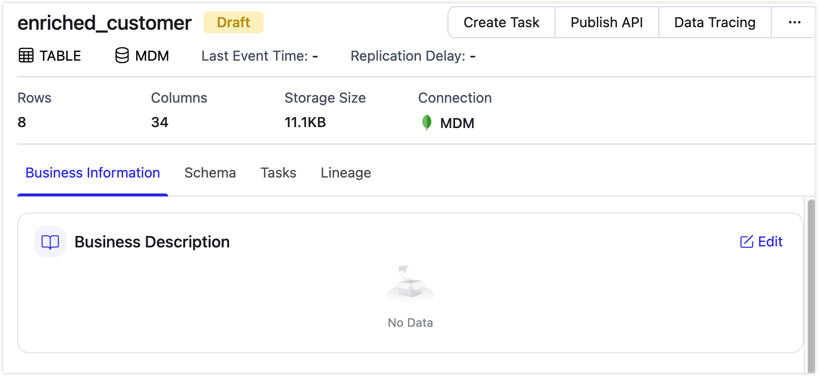
This is useful when teams need to answer questions such as:
-
Which source system did this record come from?
-
Which replication or transformation tasks handled it?
-
At what step did a field value change?
-
Which downstream data may be affected by an upstream change?
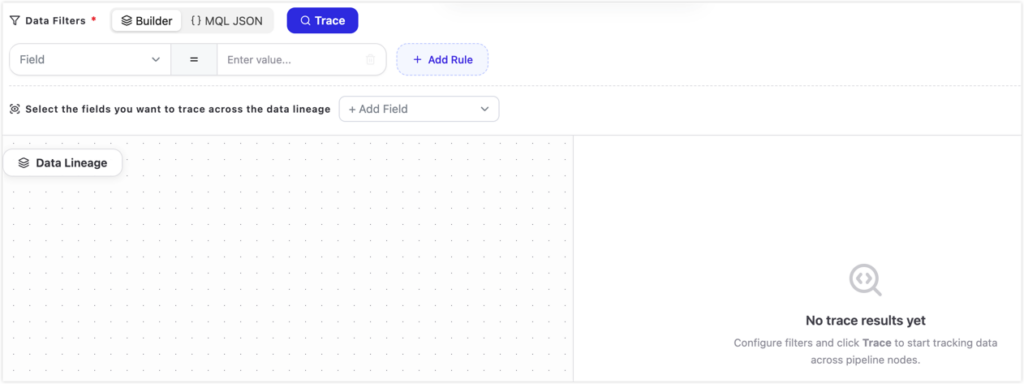
For customer 360, master data management, real-time analytics, and cross-system operational data services, that means less time reconstructing the path manually and more confidence when investigating data quality issues or assessing change impact.
MCP Server can now assist with creating replication tasks
AI agents become more useful when they can work with current enterprise context rather than static snapshots. But that does not mean an AI model should connect directly to every production database or make unrestricted changes to data infrastructure.
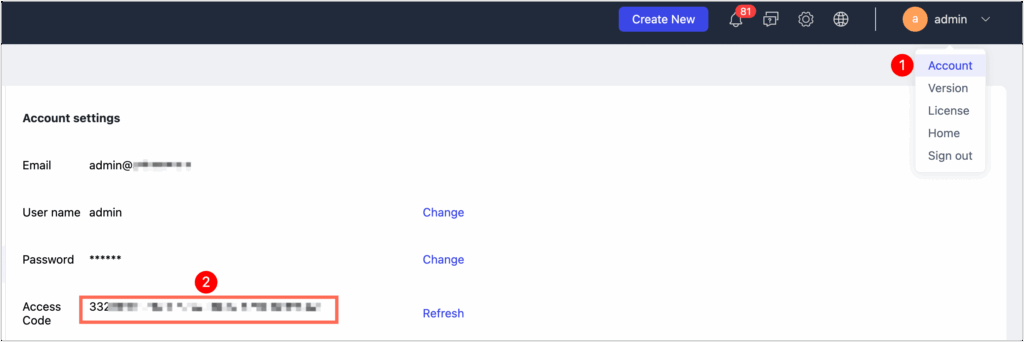
TapData MCP Server provides a controlled interface based on the Model Context Protocol. It can expose authorized connection information, data models, and live business context to an AI agent. In TapData 4.20, that interaction extends further into data engineering: an agent can assist with creating a data replication task once the source and target connections, table scope, and synchronization type have been confirmed.

The important point is control. Task creation changes platform configuration, so key parameters should still be reviewed and confirmed by the user before execution.
With this model, teams can move from simply asking an agent about the data environment to using natural language as part of a governed workflow for setting up data movement.
Snowflake support reaches GA
TapData 4.20 brings Snowflake support to GA, with Snowflake available as either a source or a target.
The release supports PAT token and key-pair authentication, and when Snowflake is used as a target, teams can work with standard tables, hybrid tables, or dynamic tables depending on the delivery model they need.
For organizations already using Snowflake as part of a cloud data platform, GA status provides a clearer production path for moving data into or out of Snowflake through TapData.
Operational improvements for production teams
TapData 4.20 also includes a set of smaller improvements that make production environments easier to manage.
Task scheduling and balancing gain a clearer management entry point and balancing records, helping teams understand how eligible tasks are distributed across engines. The
./tapdata sid command simplifies License SID retrieval during deployment preparation. The release also adds target model field ordering, alongside improvements to DDL synchronization and connection-test feedback.These updates are less visible than a new headline feature, but they matter in environments where teams operate many tasks and need predictable deployment and administration workflows.
What TapData 4.20 adds up to
TapData 4.20 connects three practical needs that often appear together in production data platforms:
-
Explain the data with record-level traceability.
-
Make live data usable in AI workflows through a controlled MCP interface.
-
Strengthen production delivery with Snowflake GA and operational improvements.
Together, these changes move TapData beyond simply transporting changes between systems. They help teams understand how data reached its current state, expose that live context safely to AI-assisted workflows, and run those pipelines with more confidence in production.
To learn more about TapData 4.20, see the latest release notes or contact the TapData team for upgrade guidance and a product walkthrough.
Explore the release in more detail
Review the full release notes for technical details, or talk to the TapData team about upgrade planning and how these capabilities fit your data environment.
Prefer a live conversation? Book a meeting →