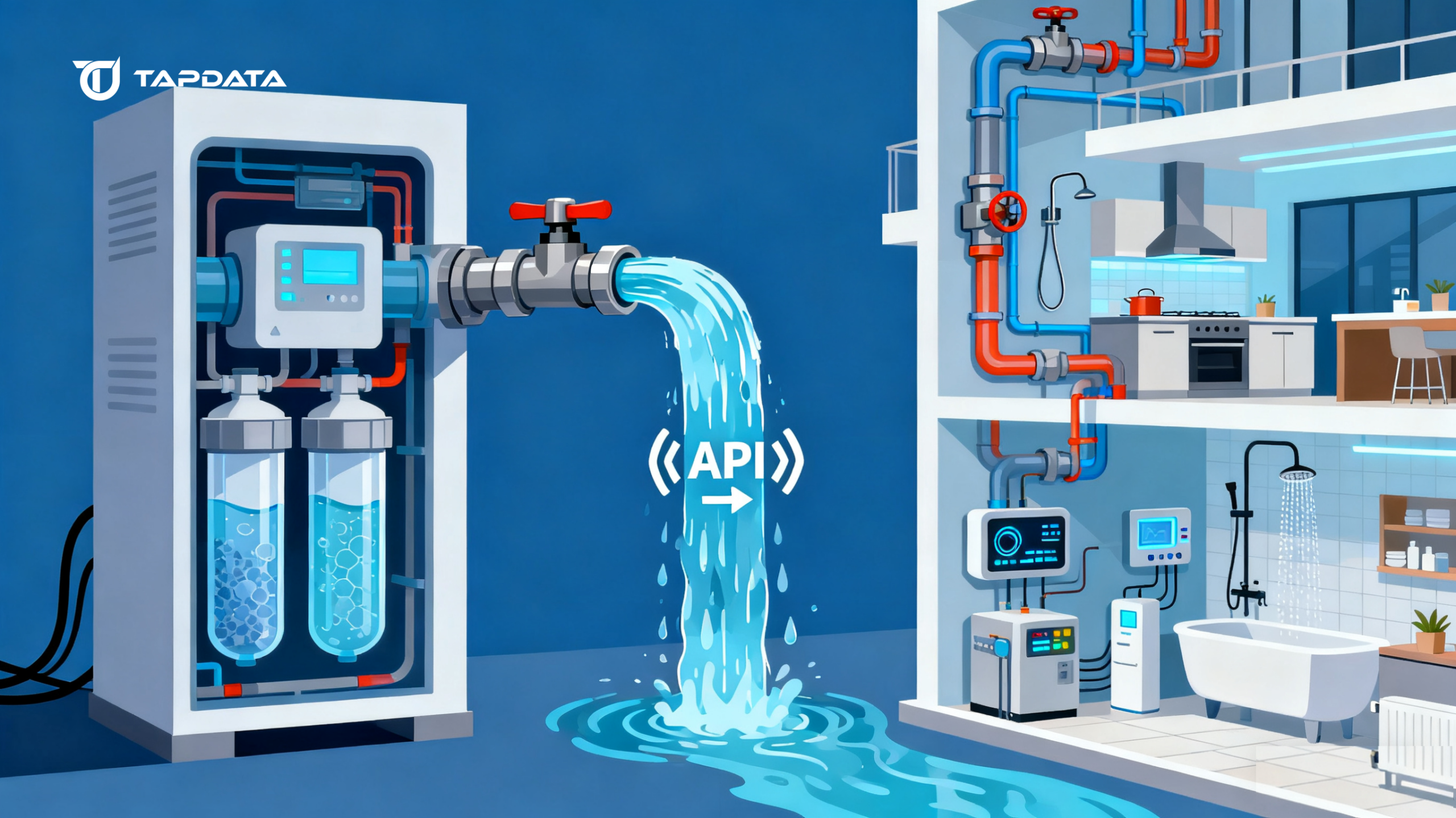
As teams modernize their stacks, DaaS (Data as a Service) and iPaaS (Integration Platform as a Service) often show up in the same conversation—but they solve different problems. DaaS focuses on serving trusted, real-time data through APIs and materialized views. iPaaS focuses on orchestrating workflows between applications and services.
New to Data as a Service? Start with our complete DaaS guide to understand core concepts, benefits, and architecture.
What is iPaaS?
iPaaS is an integration layer for connecting applications, APIs, and events. It excels at:
-
Workflow orchestration across SaaS and internal apps
-
Event triggers & retries for business processes
-
Light transformations and API mediation
iPaaS is ideal for process automation (e.g., “when a ticket is created, update CRM and notify finance”). It may move data, but its goal is process integration, not delivering a consistent, queryable data service.
What is DaaS?
DaaS (Data as a Service) exposes clean, governed, and often real-time data via APIs or live views. Instead of pushing copies into many systems, a DaaS platform provides a single, authoritative service that apps, analytics, and partners can call on demand.
With TapData DaaS, teams use log-based CDC + low-code modeling to publish materialized views and API endpoints that stay fresh with minimal latency.
DaaS vs iPaaS: Side-by-Side
| Dimension | DaaS (Data as a Service) | iPaaS (Integration Platform as a Service) |
| Primary goal | Serve trusted data on demand | Orchestrate workflows across apps |
| Data freshness | Real-time / near real-time with CDC | Varies; often event/process-timed |
| Typical output | APIs, materialized views, query endpoints | Tasks, API calls, messages, connectors |
| Best for | Customer 360, operational analytics, ML features, partner data APIs | Business process automation, app-to-app sync, notifications |
| Data volume | High-volume, streaming-friendly | Process-oriented, not a data plane |
| Consumers | Apps, analytics, partners | Apps & services in a workflow |
| Governance | Central data model, RBAC, masking | Process-level policies, API governance |
| TapData fit | Core (real-time DaaS platform) | Coexist (iPaaS can call DaaS APIs) |
When to Choose DaaS vs iPaaS
Choose DaaS when you need to:
-
Serve real-time data to apps, dashboards, or partners via stable APIs
-
Build Customer 360, embedded analytics, ML feature pipelines
-
Decouple producers and consumers with a governed data service layer
Choose iPaaS when you need to:
-
Automate business workflows across SaaS and internal systems
-
Coordinate multi-step processes, approvals, and notifications
-
Mediate API calls or perform lightweight data mappings
Can DaaS and iPaaS Coexist?
Absolutely. A common reference pattern:
-
DaaS publishes authoritative, real-time endpoints (e.g.,
/api/customer-360,/api/order-status). -
iPaaS orchestrates processes and calls DaaS APIs whenever a fresh data snapshot is required.
-
Events from iPaaS may write back through authenticated DaaS endpoints to keep systems aligned.
This keeps process logic in iPaaS, and data truth in DaaS—clean separation of concerns with less coupling.
How TapData Powers Real-Time DaaS
TapData DaaS provides:
-
Log-based CDC for MongoDB, MySQL, PostgreSQL, Oracle, and more
-
Low-code modeling (joins, filters, computations) on streaming data
-
Materialized views & API publishing with millisecond-level latency
-
Governance: role-based access, field-level masking, audit trails
-
Resilience: schema evolution, replays, and exactly-once semantics (via pipeline design)
Integration is straightforward: your iPaaS simply calls TapData’s DaaS endpoints for real-time reads—no custom pipelines per consumer.
Buyer’s Checklist: DaaS vs iPaaS
| Criterion | Favor DaaS when… | Favor iPaaS when… |
| Primary outcome | You need data services for many consumers | You need process automation across apps |
| Freshness SLA | Sub-second to minutes (real-time DaaS) | Minutes-to-hours is acceptable |
| Volume/scale | High-throughput streams, many consumers | Lower volume, stepwise business flows |
| Governance | Central data model & access control | Workflow & API policies |
| Extensibility | Add new consumers without copying data | Add new steps to orchestrations |
| Team owning it | Data platform / analytics engineering | Business systems / app integration |
FAQ
-
Is DaaS replacing iPaaS? No. DaaS and iPaaS address different layers. Use DaaS for real-time data delivery, iPaaS for process orchestration.
-
Do I still need ETL with DaaS? For large historical loads, batch ETL can complement DaaS. For day-to-day operations, real-time DaaS often replaces many ETL jobs.
-
Can TapData DaaS work with my iPaaS? Yes. iPaaS can call TapData’s DaaS APIs to fetch governed, up-to-date data within any workflow.
Conclusion
DaaS vs iPaaS isn’t an either/or—it’s about putting the right capability in the right layer. Data as a Service delivers consistent, real-time data to every consumer. iPaaS orchestrates the business steps around that data. With TapData DaaS, you get a low-latency data service that your iPaaS—and every downstream app—can trust.
>>> Learn the fundamentals in our complete DaaS guide. 📩 Ready to explore TapData DaaS? Request a live demo.
Related Blogs: