The Complete Guide to Change Data Capture (CDC)
A modern approach to real-time data integration, analytics, and digital services.
What Is Change Data Capture (CDC)?
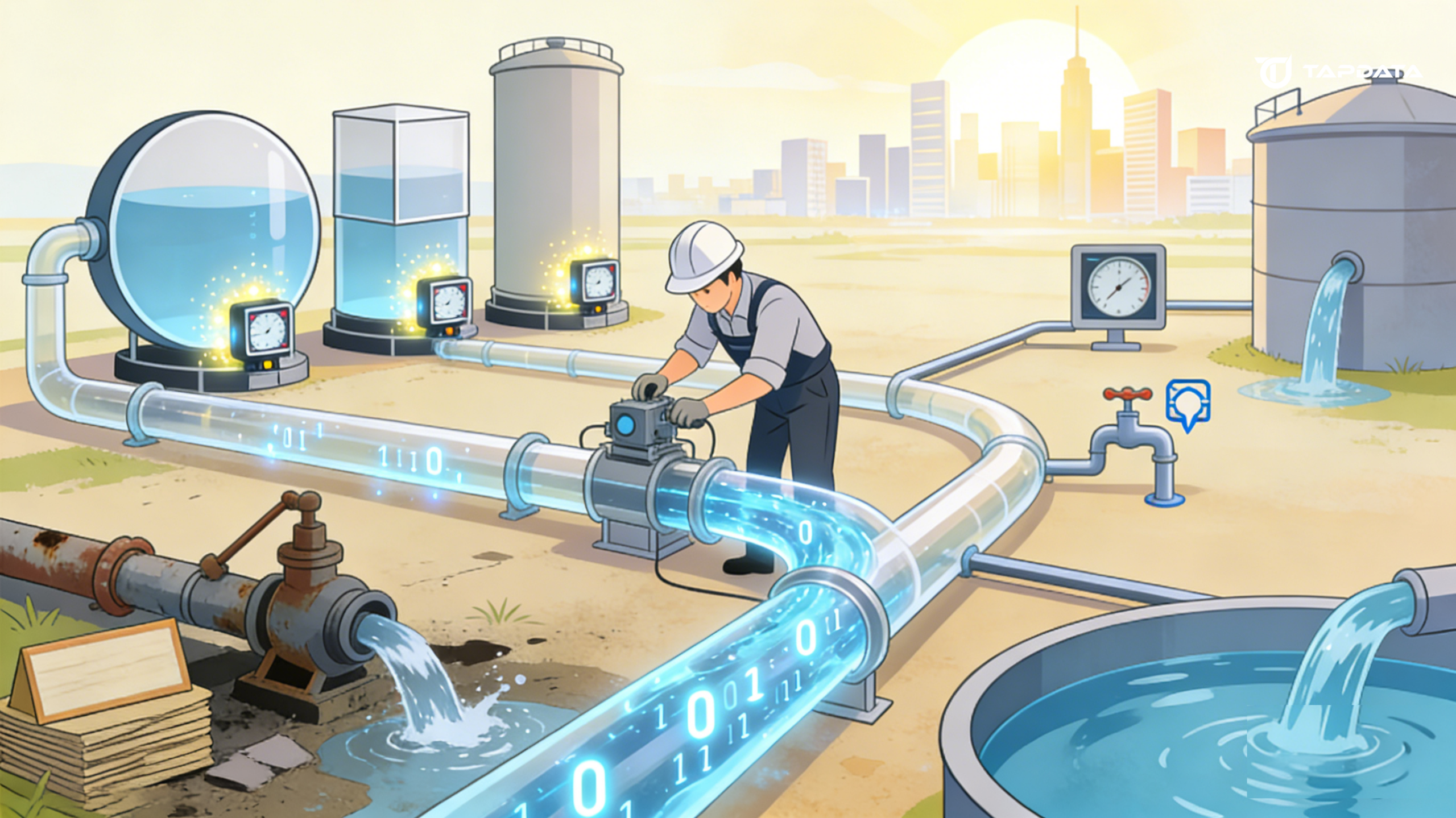
Change Data Capture (CDC) is a data integration technique that identifies and captures changes—such as inserts, updates, and deletes—from source databases in real time. Instead of pulling full datasets repeatedly, CDC enables downstream systems to react instantly to only what has changed.
At its core, CDC bridges the gap between operational systems and analytics or services by ensuring always-fresh data delivery without full refreshes or complex polling logic.
Why CDC Matters in Modern Data Platforms
Modern data architectures are under pressure to deliver low latency, data consistency, and scalability across multiple systems. Batch ETL processes simply can’t keep up with:
-
Real-time user personalization
-
API-based services for external partners
-
Operational dashboards that reflect live metrics
-
Streaming data into cloud warehouses or lakes
CDC allows businesses to unlock these capabilities by enabling real-time data synchronization, reducing resource load, and minimizing data movement delays.
How CDC Works: Methods and Mechanisms
There are several ways to implement CDC, each with different trade-offs:
| Method | Description | Pros | Cons |
| Log-Based CDC | Reads database logs (e.g., binlog, redo log) to detect changes | High performance, minimal load | Complex to implement, vendor-specific |
| Trigger-Based CDC | Uses DB triggers to capture changes into a shadow table | Fine-grained control | Adds latency, impacts performance |
| Timestamp-Based CDC | Queries data with updated timestamps | Easy to start | Risk of missing updates, not real-time |
| Snapshot + Diff | Takes periodic snapshots and compares | No DB dependency | High resource consumption |
TapData uses log-based CDC to ensure high throughput with low impact on source systems—ideal for enterprise workloads like Oracle, MySQL, SQL Server, and PostgreSQL.
CDC vs ETL: Key Differences
| Feature | CDC | Traditional ETL |
| Latency | Real-time / near real-time | Scheduled batches |
| Efficiency | Only changed data | Full data loads |
| Source Load | Minimal (log read) | High (full scans) |
| Use Cases | APIs, dashboards, microservices | Historical reporting, offline analytics |
In short, CDC enables operational agility, while ETL is more suited for batch reporting. In many architectures, the two coexist—CDC feeds low-latency layers, while ETL supports deep analytics.
Popular CDC Tools: Open Source and Commercial
Modern CDC solutions range from DIY frameworks to fully managed platforms:
Open Source:
-
Debezium – Log-based CDC for MySQL, PostgreSQL, and MongoDB; Kafka native.
-
Maxwell's Daemon – Simple MySQL CDC with JSON output.
-
Airbyte / Singer – More ETL-oriented, but support incremental sync.
-
TapData – Real-time CDC platform supporting a wide range of sources with built-in schema evolution, observability, and downstream delivery options.
Enterprise Tools:
-
Oracle GoldenGate (OGG) – Enterprise-grade but expensive and complex.
-
HVR / Qlik Replicate – Legacy tools with limited support for new databases.
-
TapData – Real-time CDC platform supporting a wide range of sources with built-in schema evolution, observability, and downstream delivery options.
TapData provides a developer-friendly, no-code CDC engine built for operational data hubs and real-time applications.
Schema Evolution and CDC Challenges
Handling schema changes in real-time pipelines is often a major challenge:
-
New columns: Should not break consumers or APIs.
-
Renamed fields: Need to be traceable or versioned.
-
Deleted fields: Must not crash downstream views.
Modern CDC platforms like TapData include schema tracking, change alerts, and self-healing materialized views to keep pipelines resilient and maintainable.
Real-Time Use Cases Enabled by CDC
-
Real-Time Analytics Dashboards Feed cloud warehouses (e.g., Snowflake, BigQuery) without delay.
-
Data as a Service (DaaS) Deliver versioned APIs to teams via governed, incremental materialized views.
-
Legacy System Modernization Mirror legacy DBs like Sybase, DB2, or SQL Server to modern stacks without downtime.
-
Microservices Synchronization Keep domain services consistent with transactional sources.
-
Multi-Region Replication Use CDC to push changes across regions and clouds for resilience and latency.
CDC Best Practices and Design Patterns
-
Use log-based CDC for scalability and low source impact.
-
Persist and monitor offset checkpoints to ensure reliability and recovery.
-
Isolate schema models to protect consumers from source volatility.
-
Leverage incremental materialized views to serve read-heavy use cases.
-
Implement observability: lineage, alerts, latency monitoring.
TapData: A CDC Engine Built for Real-Time Integration
TapData’s Live Data Platform is designed from the ground up for real-time data movement. Key features include:
-
Log-based CDC for Oracle, MySQL, SQL Server, PostgreSQL, MongoDB, and more
-
Built-in support for schema evolution, rollback, and transformation
-
Incremental materialized views for fast reads across systems
-
Versioned REST APIs to expose clean domains to internal teams or partners
-
Low-code pipeline design and unified monitoring
Whether you’re building a Customer 360 platform, migrating legacy databases, or feeding AI-ready lakes, TapData provides the backbone for always-fresh, consistent data delivery.
FAQ
Q: Is CDC the same as real-time ETL? A: Not exactly. CDC focuses on capturing and delivering change events as they happen. It’s often a foundational layer for real-time ETL pipelines.
Q: What databases support log-based CDC? A: Most enterprise databases including Oracle, MySQL, PostgreSQL, SQL Server, and MongoDB support log-based CDC either natively or via tools like TapData.
Q: How does CDC support schema evolution? A: With tools like TapData, changes are automatically detected, versioned, and propagated without breaking downstream services.
Q: Can CDC be used without Kafka? A: Yes. While many open-source CDC tools rely on Kafka, platforms like TapData provide Kafka-optional architectures with built-in delivery layers.